Most advertising is easy to ignore. Scroll past it, skip it, mute it. None of that takes any effort.
A brand activation makes it harder to tune out. It's a live, in-person experience designed to get people interacting with a brand rather than just glancing at it. Hand someone a controller instead of a flyer, and they'll stick around. Give them a reason to laugh with a stranger instead of scroll faster, and they're posting about it before they've even left the parking lot.
At Status Plāspace, that's the whole business. Our name comes from "play" for a reason: we build brand activation ideas people forget are marketing at all.
Six formats do most of the heavy lifting for us. Here's what each one is good for, along with a few real events we've run. Those deserve their own full write-ups later, so we're keeping the details short here.
Traditional advertising only goes one direction: the brand says something, and the audience watches or doesn't. A brand activation runs on touch, taste, play, motion, and real conversation. The audience stops watching the story and starts being part of it.
Nobody screenshots a billboard to send a friend. People will post a photo from inside a branded igloo, mid-karaoke, holding a drink with your name on the napkin. That's what experiential marketing is really chasing: not more impressions, but better ones.
It doesn't have to be big to work, either. Some of the strongest activations are small and built around one clear feeling instead of five. Here are the formats.
A branded experience takes a company's identity and turns it into a place people can walk into: a pop-up lounge, an immersive booth, a fully styled space built for exploring instead of glancing at. A logo stops being a logo and starts being somewhere people actually want to spend an afternoon.
Nobody's handing out brochures here. The brand shows up in the lighting, the music, and the small details in the seating, and guests draw their own conclusions about what it's like.
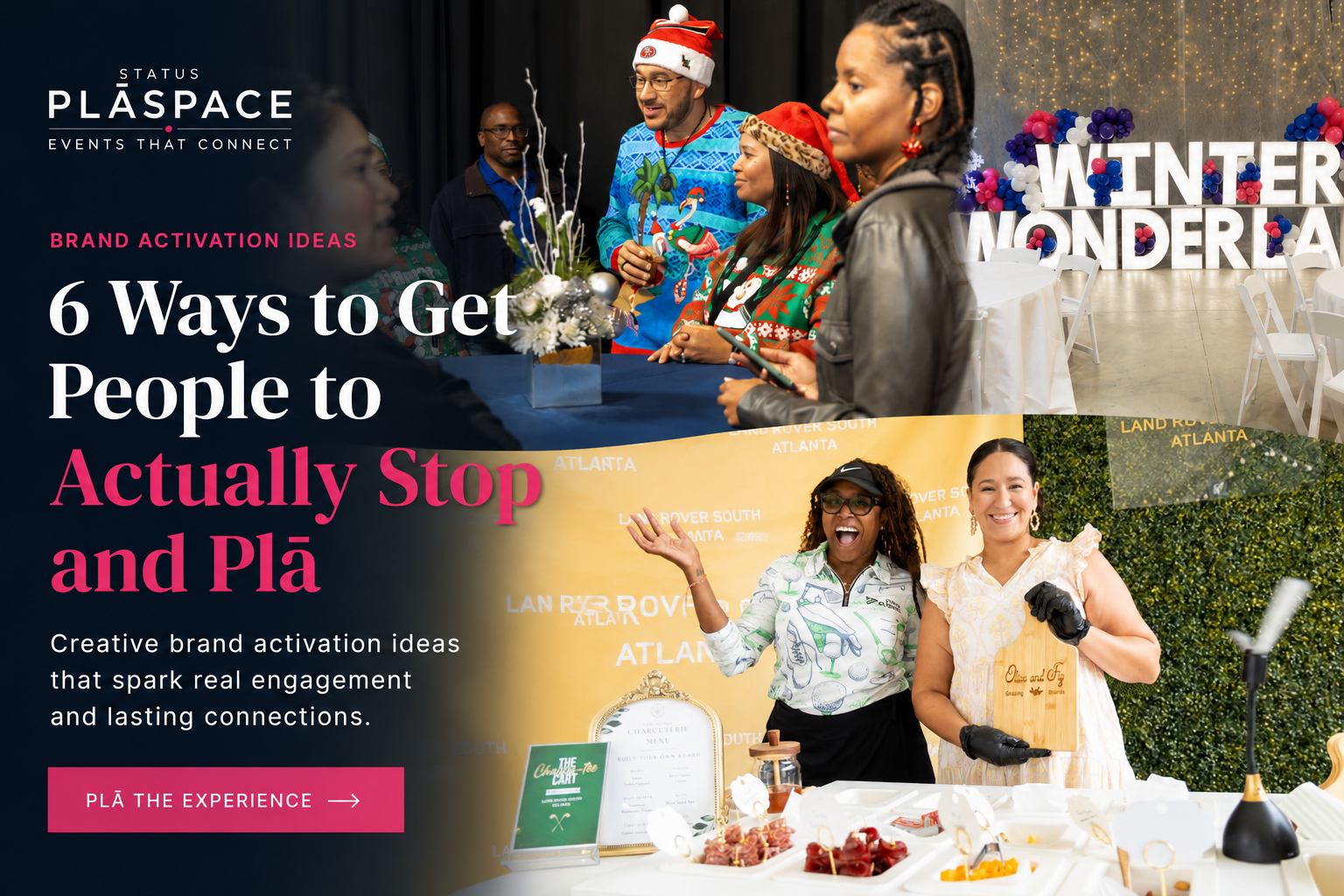
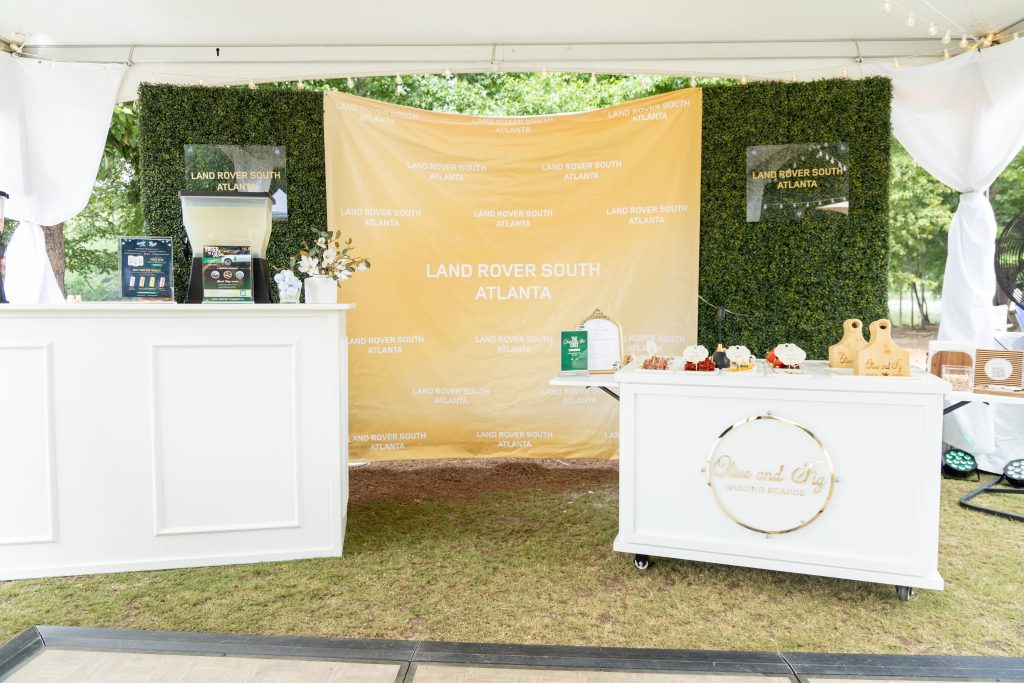
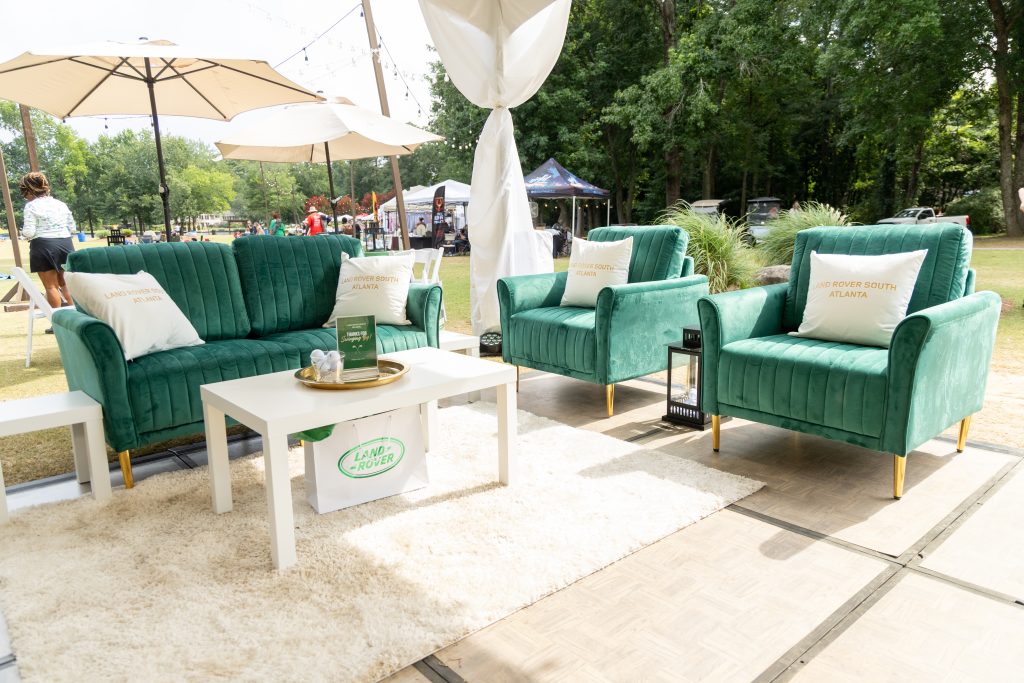
Land Rover South Atlanta is a good example. They came on as the presenting sponsor of a summer night market and built a golf-inspired VIP lounge instead of a booth. No pamphlets, no pitch, just a curated space to relax, grab something crafted, and connect, all wrapped in Land Rover's world.
Best for: brands that want people to feel their identity, not just recognize it.
Trade shows and festivals are a different animal. Hundreds or thousands of people, tight schedules, multiple days, and zero room for error. This format isn't chasing one big wow moment. The goal is staying strong and consistent from the opening session to the last one.
Most of the real work happens behind the curtain: run-of-show docs, vendor coordination, staffing, and a backup plan for the backup plan. Guests never see any of it. They just get an event that feels effortless.
The CAQH All-Staff Retreat in New Orleans is a good example. It was a multi-day event that lived or died on a tight run-of-show, moving a large group through sessions, meals, and activities without a dropped ball anywhere. Public festival or internal retreat, the job is the same: coordinate at scale well enough that nobody in the room has to think about it.
Best for: organizations whose event has to hold up across days, not just one big moment.
Community engagement activations are built around a place, not a product. Showing up in a neighborhood the way a good neighbor would, not the way an ad campaign does. These run longer than a single day, sometimes a full week, and lean hard into local pride.
The strongest ones stack a few smaller experiences inside one bigger one, so there's a reason to come back more than once. Sponsors want in for the same reason: they get to attach themselves to something the community already loves instead of something dropped on top of it.
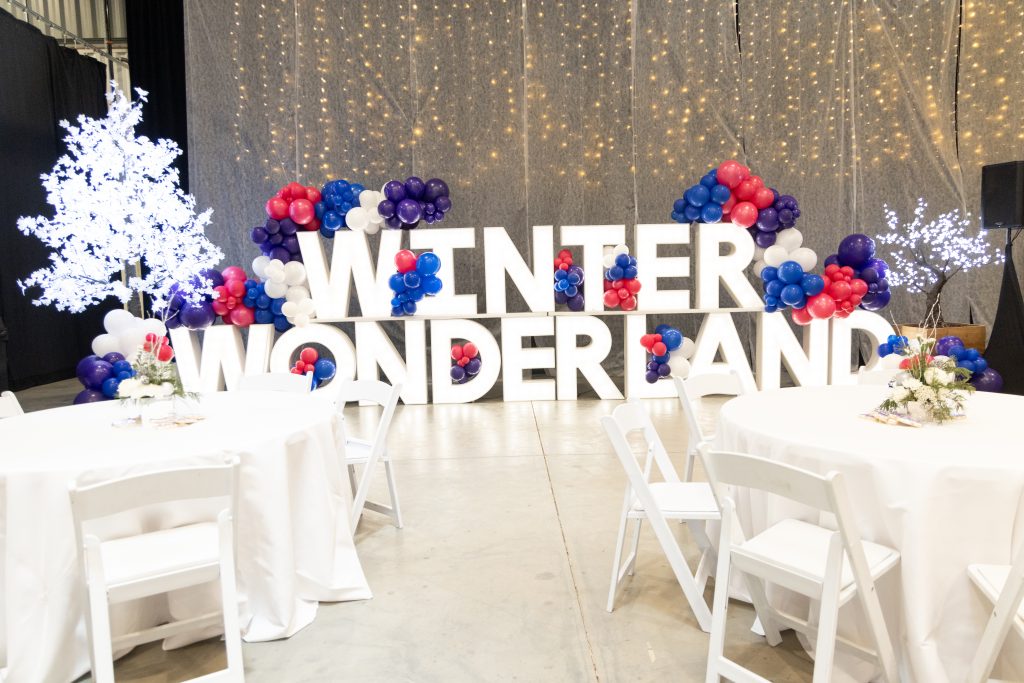
Winter Wonderland, our activation in the Trilith community, ran for nearly a week: ugly sweater parties, holiday jazz nights, brunch with Santa, games, food and drink, and a sponsorship structure that let brands show up as part of the celebration instead of interrupting it. Guests weren't there for a brand. They were there for the holiday, and the brand became part of the memory.

Best for: brands playing the long game, where local goodwill and repeat visits matter more than one flashy weekend.
Sensory escapes go all in on atmosphere: lighting, sound, scent, and texture, all working together to put guests somewhere else entirely. A themed dome. An immersive tunnel. A room built around one feeling and nothing else.
The best ones commit to a single idea instead of stacking five at once. One strong idea, done well, beats a busy room every time.
Best for: brands with a strong visual identity chasing a real "wow" moment, the kind guests are still describing to friends days later.
Not every activation faces outward. Company anniversaries, product launches, incentive trips, and employee milestones are built for people already inside the brand, not the ones discovering it for the first time.
That changes what matters. The audience already knows you, so the job shifts from introducing the brand to thanking it. Small, specific touches, like recognizing an actual win or building around what the team genuinely likes, do more here than scale ever will.
Best for: companies rewarding their own people instead of defaulting to a sheet cake and a slideshow.
Games, competition, and connection as the whole point. Giant lawn games, karaoke, trivia, a board game lounge. Low-pressure, high fun, and somehow the fastest way to get two coworkers who've never spoken to actually talk.
It's also the easiest format on this list to pull off, and it still generates the most organic sharing. Nobody stays quiet about winning. That built-in shareability is brand exposure you don't have to pay extra for.
Best for: brands that want energy without a big budget, and want guests leaving with a story instead of a tote bag.
These six formats aren't mutually exclusive. The best activations usually blend two or three. Winter Wonderland alone pulls from community engagement, play + connect, and a sensory-driven holiday atmosphere. Which one you pick comes down to the goal: public awareness, internal culture, or a foothold in one community. Once that's clear, picking from this list of brand activation examples gets a lot easier.
Most people researching brand activation ideas don't realize this part until they're knee-deep in planning one: venue sourcing, vendor coordination, run-of-show logistics, staffing, permits, and a hundred details guests never notice. All of it is exactly what a destination management company exists to handle.
Not sure what that looks like day to day? We broke it down here: What Is a Destination Management Company? (Spoiler: It's the Reason Your Event Doesn't Fall Apart). Worth a read if you're wondering who's supposed to catch the things you didn't know could go wrong.
What is a brand activation? A brand activation is a live, in-person marketing experience designed to get people actively interacting with a brand, through play, touch, taste, or conversation, rather than just seeing an ad.
How much does a brand activation cost? Cost depends on scale and duration. A single-day pop-up lounge runs far less than a week-long community activation like Winter Wonderland. Most brands start with a defined budget and a DMC scopes the format to fit it.
What's the difference between a brand activation and experiential marketing? Experiential marketing is the broader strategy of creating brand experiences instead of traditional ads. A brand activation is one specific execution of that strategy, a single event or campaign built around interaction.
Who runs the logistics for a brand activation? In an unfamiliar city, this is typically handled by a destination management company (DMC), which owns venue sourcing, vendor coordination, staffing, and on-site event-day management.
A brand activation is only as good as what people remember about it. Branded lounge, community pop-up, multi-day retreat, whatever you're building, let's build it so people are still talking about it next year.
Ready to Plā? Get in touch or see more of what we do at playspacesus.com.